
Last updated: 3 May 2026 | 4140 Views |
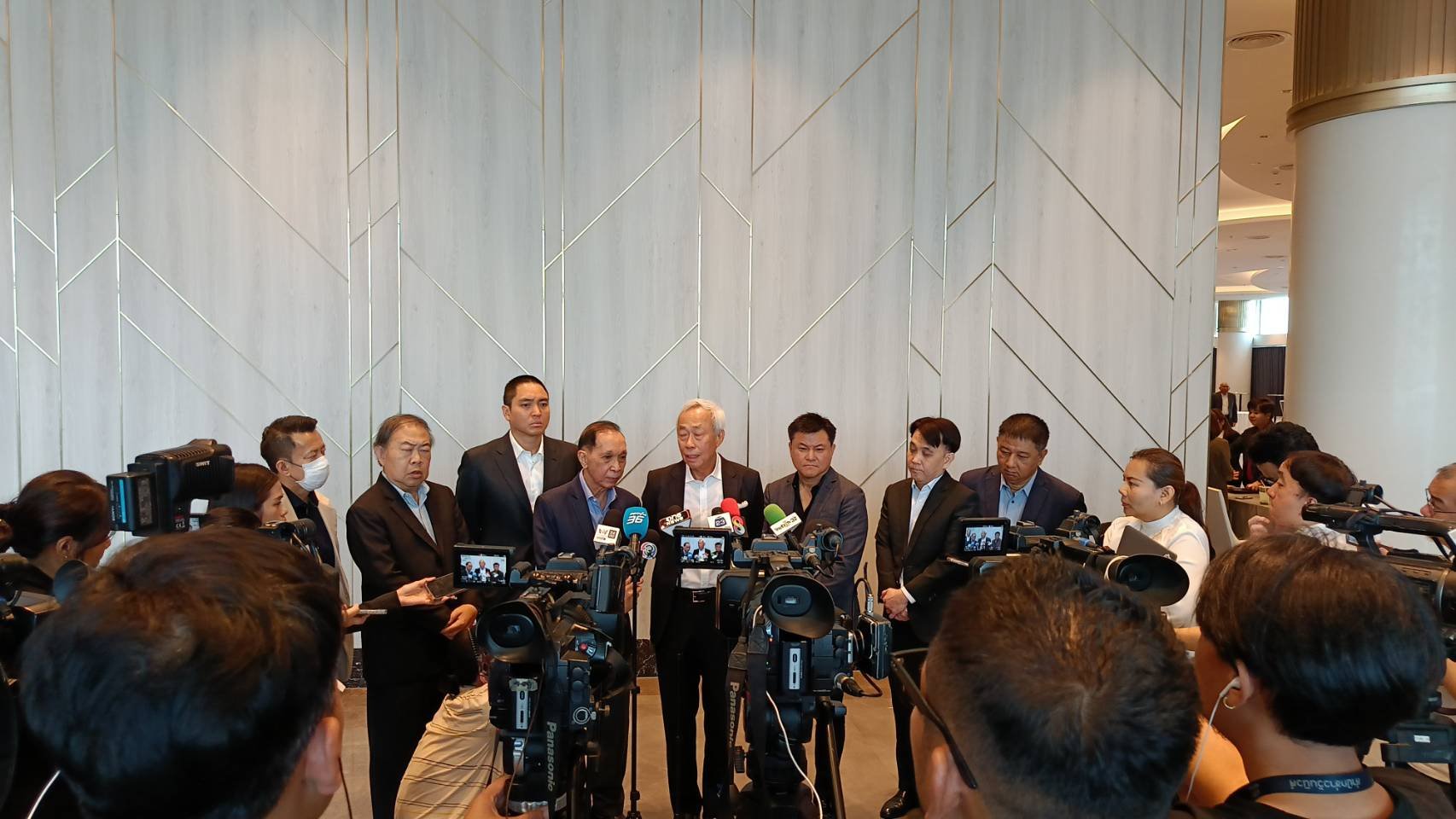
The NBTC hosted a public hearing on the draft notification regarding the criteria and procedures for licensing the use of frequency spectrum for International Mobile Telecommunications (IMT), aiming to gather input from stakeholders—both operators and the public—to assess the potential impacts of auctioning the 3500 MHz band. Currently used for C-band satellite TV services, reallocating this spectrum to telecommunications could trigger a widespread “blackout” for viewers and potentially shake the very foundations of Thailand’s digital TV industry. The session took place on April 1 at Grand Ballroom A, Asawin Grand Convention Hotel, Vibhavadi.
This issue has become a major flashpoint for the industry. Mr. Suphap Kleekajai, President of the Digital TV Association (Thailand), led a strong lineup of top executives who turned out in full force to take a united stand in protecting the 3500 MHz spectrum. Key figures included Mr. Paiboon Damrongchaitham (จีเอ็มเอ็ม แกรมมี่), Mr. Takonkiet Viravan (One 31), Mr. Watchara Watcharaphol (Thairath TV), Mr. Chakrit Direkwattanachai (Channel 3), Mr. Adisak Limprungpattanakij (Nation TV), and Ms. Siri Boonpitakges (Amarin TV), among others.
Their key positions were clearly voiced:
1. A fragile transition legacy – The shift to digital terrestrial television (DVB-T) has not fully met expectations, resulting in around 70% of Thai viewers still relying on satellite TV (DVB-C), with approximately 60% using C-band systems that depend on the 3500 MHz spectrum. The NBTC is therefore urged to preserve this frequency for the majority of viewers—at least until the end of Thaicom satellite operations or the expiration of digital TV licenses in 2029.
2. No urgent need for auction – Current telecommunications spectrum resources remain sufficient. Industry studies indicate that preparing to utilize the 3500 MHz band would take about two years, making it reasonable to delay the auction to avoid disrupting viewers before the digital TV licenses expire in 2029.
3. Clarity for the future of national TV – The NBTC is encouraged to accelerate the development of a clear post-2029 roadmap for Thailand’s national television system, including finalizing criteria for the next round of licensing by mid-2025. This clarity is crucial to ensuring the long-term sustainability of free-to-air television that remains accessible and equitable for all citizens.
It is worth noting that digital TV licenses are set to expire in April 2029, amid rapid changes in viewing technologies and ongoing uncertainty about the future framework of national television. The Association and industry operators had previously submitted a formal letter to the NBTC Chairman, emphasizing the critical importance of the 3500 MHz spectrum as a backbone of nationwide TV access. This latest united stance reinforces their commitment to safeguarding the spectrum—ensuring that Thai television does not face an untimely disruption.


